

As the world grapples with the spread of the novel coronavirus, another event from history has been invoked again and again: the so-called Spanish flu of 1918-19. While that pandemic, which killed an estimated 50 million people, took hold at a very different time in world history — the First World War was winding down — the similarities are striking. From a public contending with draconian public health measures to charlatans peddling unproven cures, both the Spanish flu and the novel coronavirus are tests of society’s ability to respond to a force that doesn’t easily bend to human will. But what happened after the earlier pandemic ended? Crosscut’s resident historian Knute Berger looks past the initial epidemic and talks about how the flu changed the culture of the United States, and Seattle in particular, for years afterward and what that might mean for a future after COVID-19.
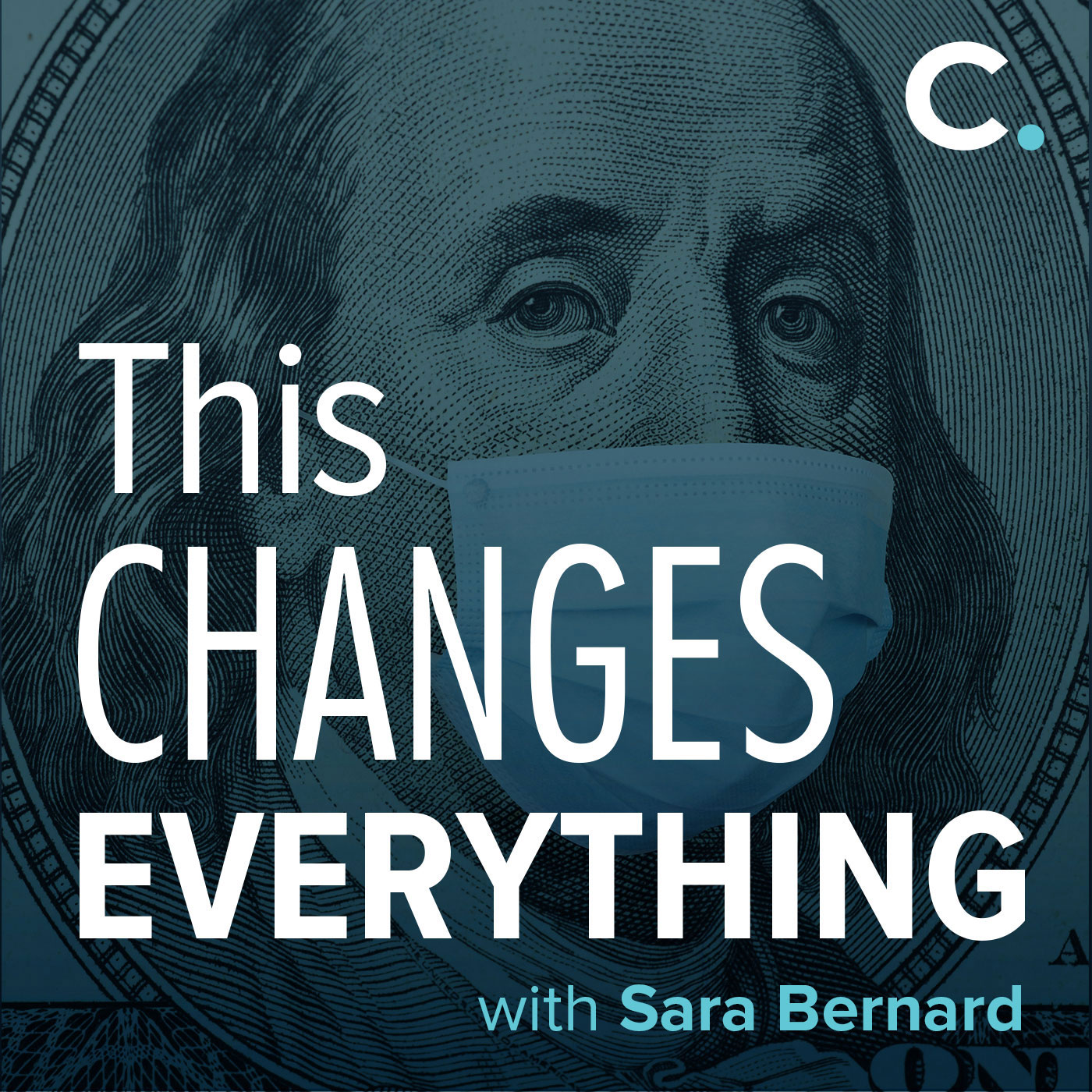
Ep. 3 - What the 1918 Flu Can Tell Us About Life After COVID-19 (Season 1)
As the world grapples with the spread of the novel coronavirus, another event from history has been invoked again and again: the so-called Spanish flu of 1918-19. While that pandemic, which killed an estimated 50 million people, took hold at a very different time in world history — the First Wor
Topics
Hosts

Sara Bernard
Sara Bernard is a senior podcast producer at Cascade PBS, producing Mossback and Your Last Meal. She was previously the host/producer of Northwest Reports and This Changes Everything. She can be reached at sara.bernard@cascadepbs.org.
Sara Bernard is a senior podcast producer at Cascade PBS, producing Mossback and Your Last Meal. She was previously the host/producer of Northwest Reports and This Changes Everything. She can be reached at sara.bernard@cascadepbs.org.