


At the end of his famous speech in 1854, Chief Seattle spoke about the changes coming from white settlers and the displacement of his people. His final remarks, according to a man who recorded them as best he remembered, were these:
“At night, when the streets of your cities and villages will be silent, and you think them deserted, they will throng with the returning hosts that once filled and still love this beautiful land. The dead are not without strength.”
At that time and in this place, the Chief was not the only one who believed in the power of spirits. Among the whites was a growing belief in the ability of the dead to communicate with the living. The afterlife was not a one-way trip.
In America, a new movement was afoot in the 1840s: Spiritualism. It contended that the dead were able to contact the living, to bring wisdom, love and reassurance. To make their presence known through Gifted mediums enabled the dead to make their presence known, transmitting messages by demonstrating strange kinetic powers, by touch, by ghostly manifestations, through automatic writing and channeling spirits from the great beyond.
It was an era with high mortality rates and religious experimentation. Families experienced heartbreaking losses of childhood deaths, epidemics, hardscrabble frontier life, and war. They looked for new answers. Theosophy, Mormonism, Christian Science, Swedenborgianism and Eastern religions were among faiths that offered alternatives to old dogmas. New techniques and technologies expanded possibilities: telegraphy, electricity, Mesmerism and hypnosis. The newly invented medium of photography offered the idea that images of ghosts and apparitions could be captured on film and be sold to the public.
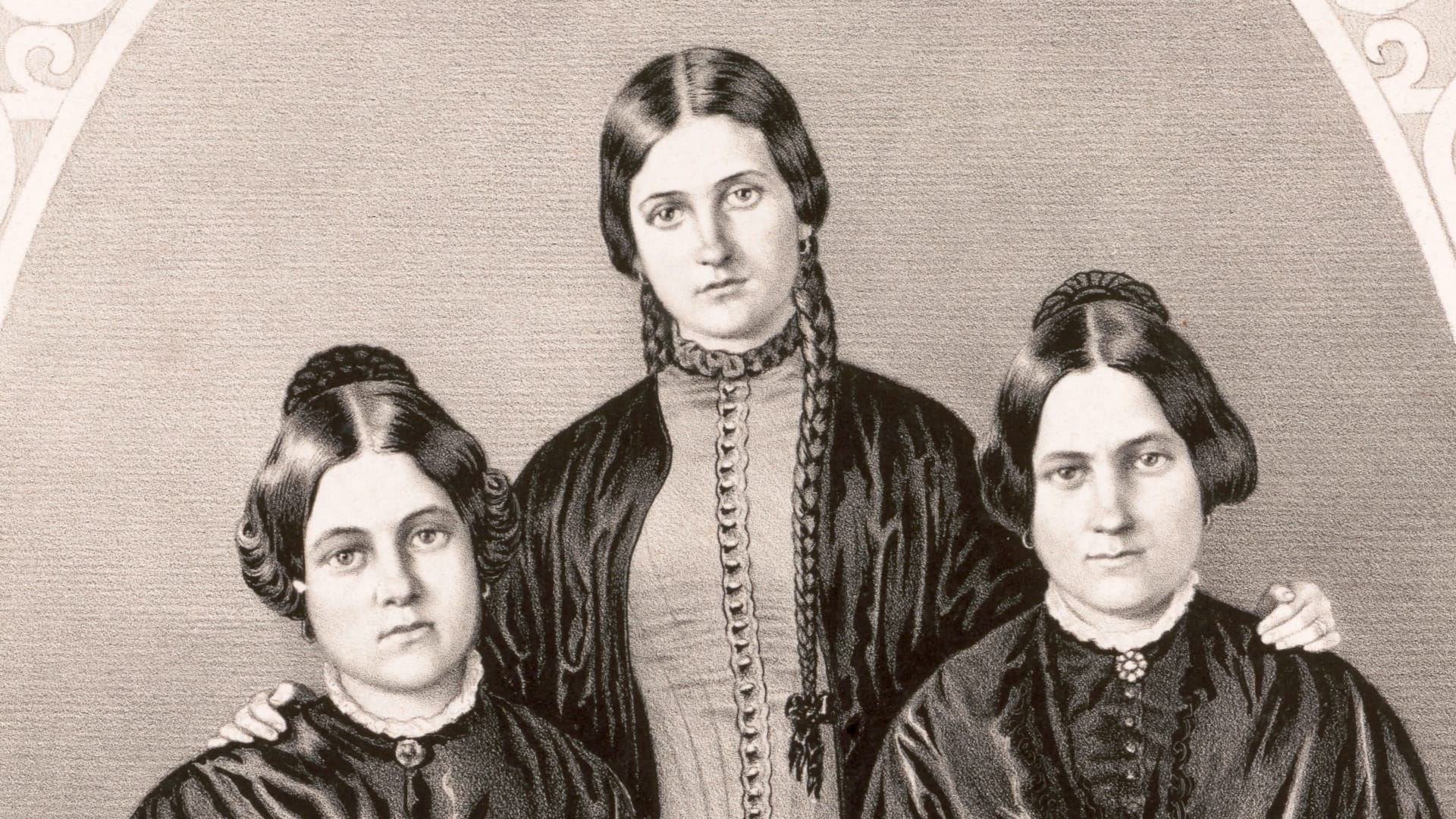
Just five years before Chief Seattle’s speech, the Spiritualism movement took off in the United States when the three Fox sisters in upstate New York held the first public séance to show their mediumistic powers which could, they said, elicit raps and knocks as signals from the dead. Celebrities flocked to them and spread the word. So, it isn’t surprising that Seattle’s pioneering Yesler family, religious freethinkers, would hold séances in their home, said to be attempts to contact their deceased 12-year-old son. Grief could be soothed by contact with loved ones.
It didn’t take long for Spiritualist ideas and performances to take root on the West Coast. They poured into San Francisco during the Gold Rush era, accounts of Spiritualism news from across the globe filled newspapers. By the 1860s self-proclaimed mediums traveled the Northwest to lecture and perform public séances.
An early sensation in Portland, Oregon was a Bay Area medium, Ada Hoyt Foye, whose stage performances charged 50 cents a head during which she summoned the spirits of the departed the names of which were supplied to her, in writing, by the audience. The spirits signaled their availability through rapping sounds described by one paper as by “some principal of the philosophy of our nature that remains hidden.”
What wasn’t hidden was that séances could make a Spiritualist a good living and put on quite a show. The Oregonian claimed this for Mrs. Foye. Her “manifestations were of such a character to astonish” the locals. She might not have weakened the foundations of the Christian church, but she was clearly drawing crowds and making money.
Performances by mediums became more elaborate. They might involve making letters in foreign languages appear on a slate, or phantom images to float before the audience, or tambourines and accordions to play on their own, chairs to hover in space, strange voices to be heard—all while the medium was locked, tied, and handcuffed in a wooden cabinet.
A trend that quickly followed were acts by magicians and debunkers claiming to be able to perform the same feats without spirits being in involved. In 1876, one Prof. S.S. Baldwin and Clara Baldwin from San Francisco swept into Seattle with a lecture titled “Spiritualism Exposed!” given at Yesler Hall, no less.
“I unequivocally…pronounce the so-called phenomena of Spiritualism humbuggery,” Prof. Baldwin declared. He bet $500 that he could duplicate any trick he had seen a supposed medium perform three times, like escaping handcuffs, materializing “spirit faces,” or turning water into wine. The stunts were a piece of cake with no help needed from the afterlife. According to a review the Baldwins were a hit with the Seattle crowd.
But there was no consensus on fraud. On Halloween 1879, the Seattle Post-Intelligencer announced a Seattle visit from Dr. Henry Slade, a world-famous spiritualist noted for conjuring slate writings while his hands were otherwise engaged. In England, Slade had been exposed as a fraud, tried and convicted, but managed to skip the country. Such a record did not deter Slade from continuing to deceive the credulous. The P-I dismissed Slade’s track record of fraud with a shrug.
Another exposed American medium, Miss May Howard, also known as the “White Mahatma,” decided to convert her act to exposing her own tricks. After a decade circulating as a medium, she switched sides. In 1896 in Seattle she pledged to “materialize” Chief Seattle’s recently deceased daughter on stage. No word on her success with that. But she entertainingly chose to debunk herself by explaining how she tricked her own audience.
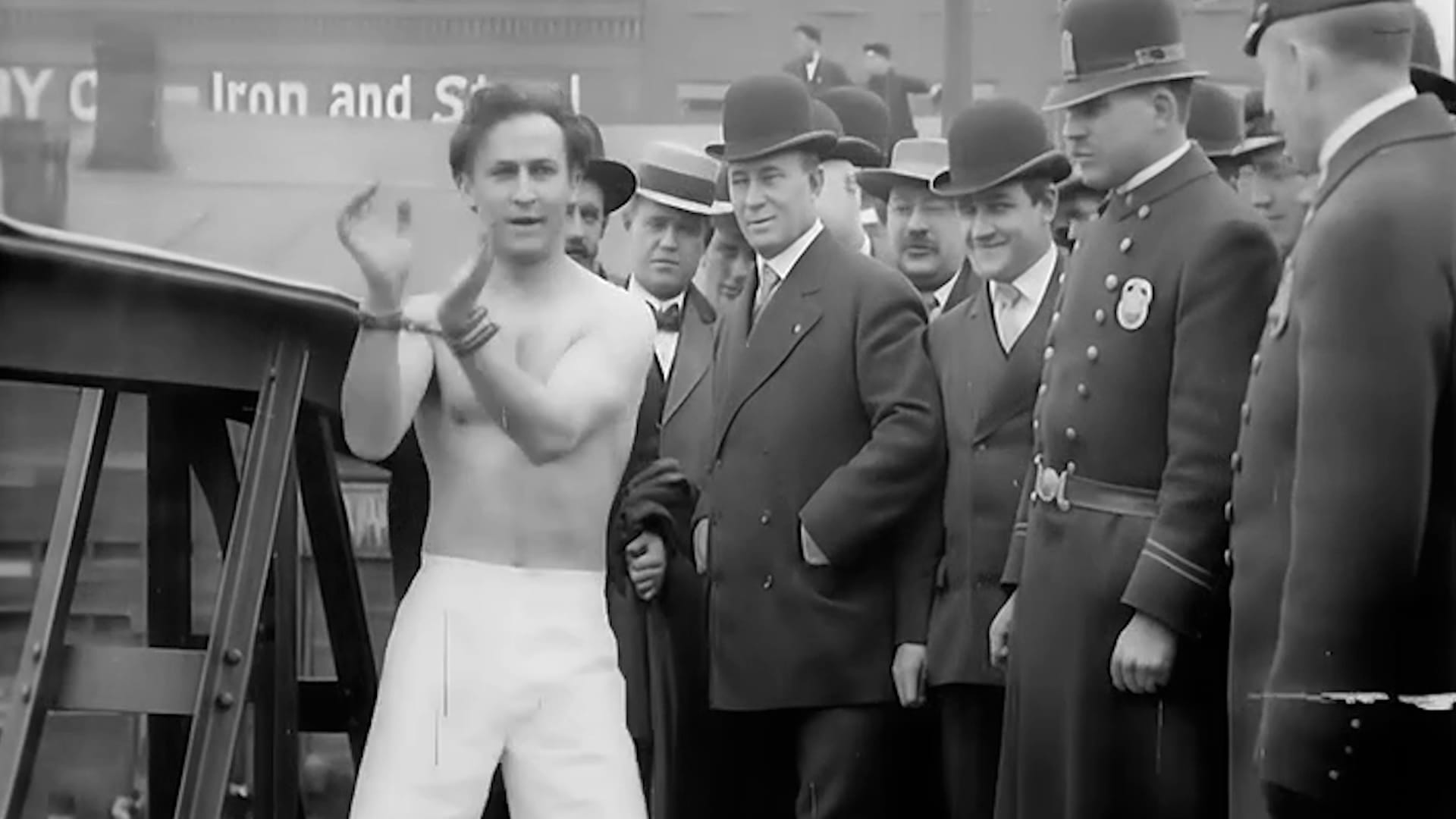
That fit growing public sentiment regarding people’s faith in Spiritualism: increased skepticism. Harry Houdini would famously make a career of sensational feats and exposing Spiritualist frauds. Part of the appeal of magic acts is knowing there is no magic involved, but ingenuity. Belief in Spiritualism dimmed as evidence poured in that much of its “evidence” was a hoax. Even New York’s Fox sisters who started the American craze finally confessed their séances were faked.
By the turn of the century the law was stepping in more readily. Spirit mediums and fortune tellers performing in public needed a license or risked being arrested for vagrancy in Seattle. In 1913, a man using a six-year-old as a medium in Bellingham was fined and sentenced to the county work farm. In Portland a séance attendee tackled a supposed spirit who turned out to be a scantily attired woman. A brawl ensued. By the 1920s and ‘30s, fake séances were being busted to save the public from “psychic frauds.” In 1920 seven people in California were committed for having been driven insane by their marathon use of Ouija boards. Today we have AI chatbots for that.
The Northwest is one of the least religious and most unchurched regions of the country, yet a recent survey reveals that even here 80% of folks believe people have a soul or spirit and 70% believe in an afterlife. People’s faith in séances has largely been shaken, but not necessarily what many believe about life, death and the hereafter.
