


Once upon a time mountain glaciers were associated with the ultimate wilderness experience: Massive ice sheets that moved slowly– grinding down mountainsides, unleashing torrents of wild water to the lowlands, calving into fjords.
They were--and are--shapers of landscapes, scenic too. Today, we tend to see them as frozen yardsticks of climate change and planetary health.
But in the 19th and early 20th centuries, the lure of glaciers attracted adventurers, mountaineers, tourists, photographers and a few people who decided to study them. One woman with a camera and measuring stick pioneered Northwest glacier study and left a legacy of freeze-frames that are of value today.
Who hasn’t been impressed by the broad white flanks of Mount Rainier—the most glaciated mountain in the contiguous United States? An early tourist there, Theodore Winthrop, caught its appeal to travelers when he wrote that Tahoma was “strong, savage and majestic.”
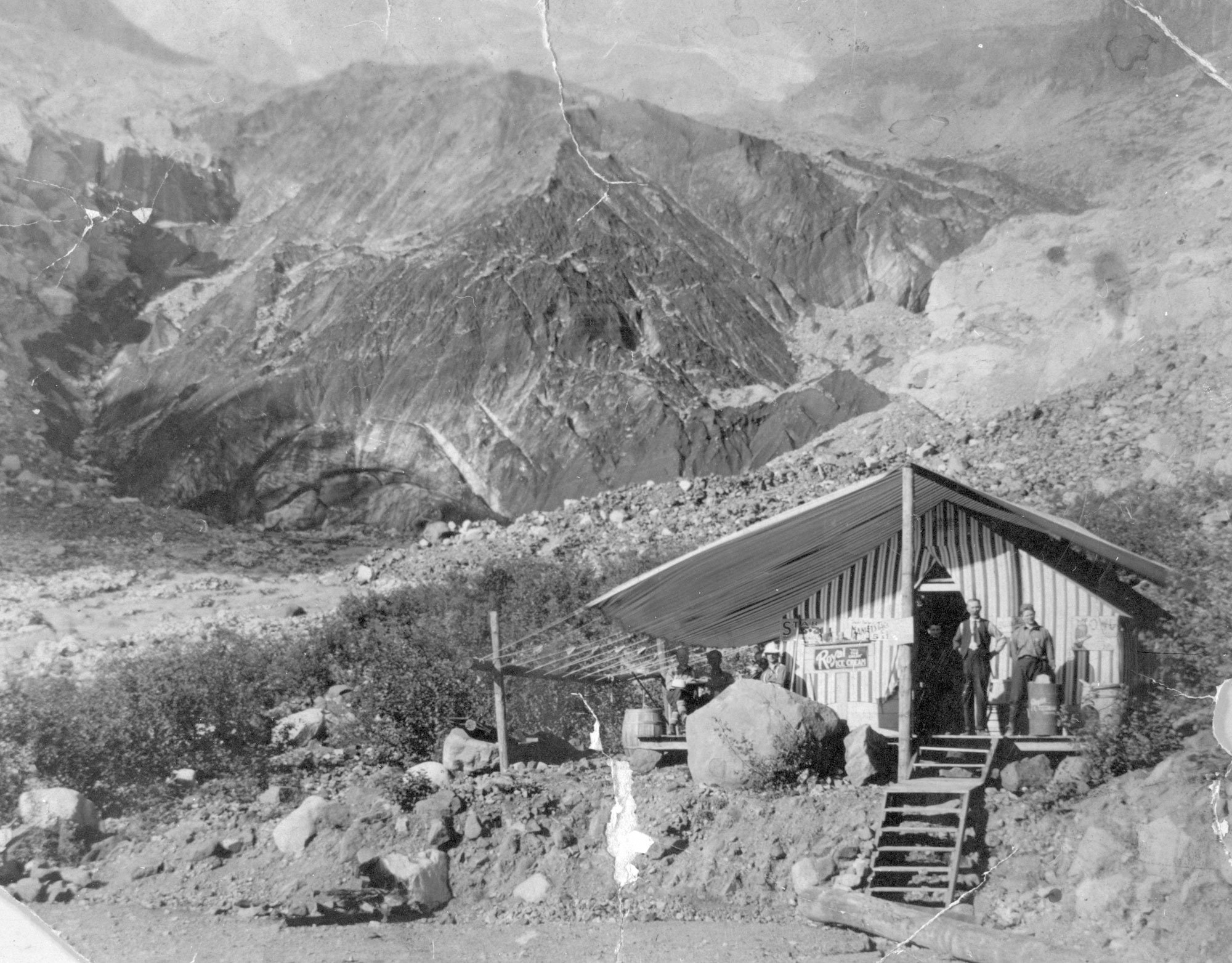
The city of Tacoma, which bears a version of one of the volcano’s Indigenous names, is a city that once touted its proximity to wild ice with the slogan “Four Hours to the Glaciers,” billed by boosters as “The Most Wonderful One-Day Trip in the World.” The Nisqually glacier was an early and accessible attraction to Mt. Rainier National Park. Someone even built an ice cream stand at its foot for sweet-toothed tourists.
Rainier wasn’t the only glacier-covered peak to become a tourist attraction. Glacier National Park in Montana boasted a range of visible glaciers and visitors flocked to places like “Many Glacier” lake. The Great Northern and the Canadian Pacific railroads invested in tracks, lodges and routes to bring trainloads of tourists West to see Big Ice.
The combination of convenience and curiosity brought an American woman in her late 20s, Mary Vaux, to a particular glacier in British Columbia’s Selkirk mountains which run alongside the Rockies. It was the Illecillewaet glacier, known at the time as the “Great Glacier.” In 1887 Vaux came by train and stayed at the Glacier House Hotel that was only a mile from the glacier’s leading edge.
The lodge catered to glacier-watchers. Swiss guides were brought in to take folks onto the ice, dodging crevasses and icefalls. After her first visit, Vaux returned seven years later and became enchanted by the Illecillewaet and the mountains. She returned nearly every year for decades, to climb, write, draw, photograph and measure this fascinating river of ice. It had receded significantly since her first visit. Vaux and her brothers were curious about that retreat and began to systematically document the glacier’s changes year after year.
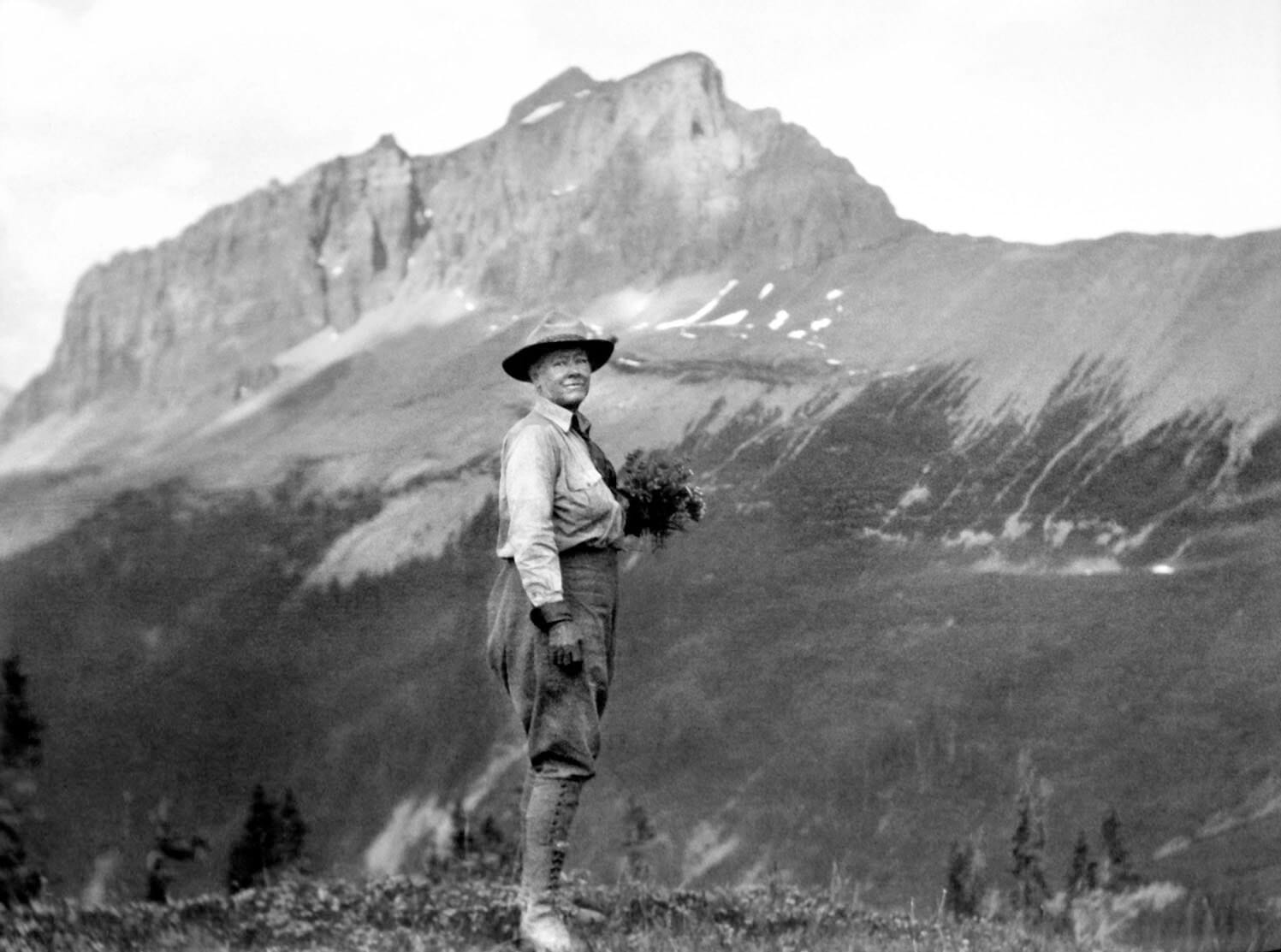
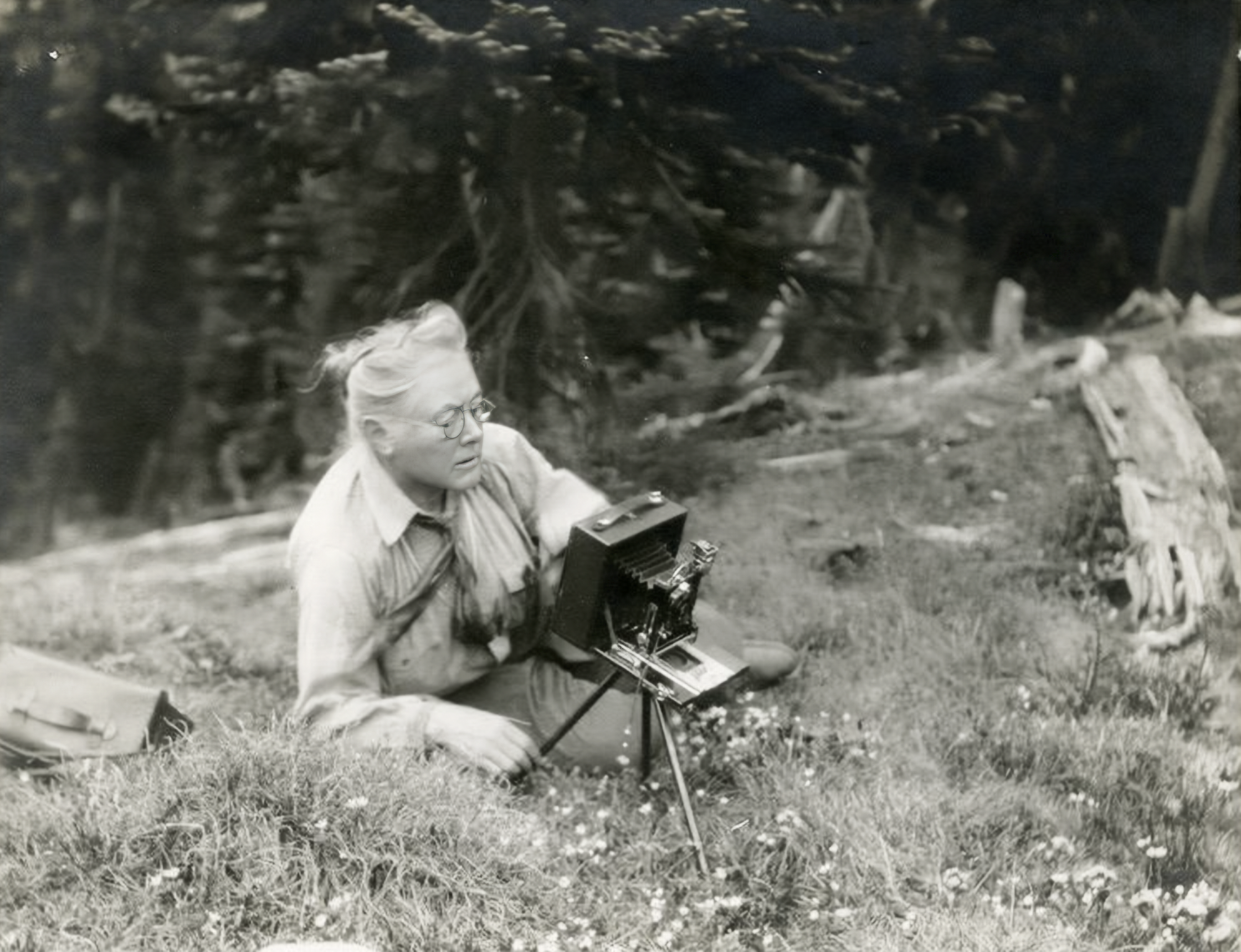
Mary Vaux was fearless, and an excellent photographer and talented artist. She was a pioneering woman alpinist too. She and her brothers were amateur naturalists from a well-to-do family of Philadelphia Quakers. Vaux was comfortable both scrambling on the glacier’s massive ice and spending hours in the darkroom creating prints from glass plate negatives.
Vaux and her brothers are said to have taken some 2,500 images of the glacier and surrounding mountain country. Those photos created a systematic record of a glacier’s movements and behavior for scientists to study.
Glaciers have advanced and retreated over millennia but retreats and shrinkage are now a new norm. NASA’s Earth Observatory reported that in 2023, every “reference” glacier on earth—that is select glaciers that have been monitored for decades– lost mass. It appears to be an accelerating phenomenon. It turns out that Vaux’s observations were part of a turning point in the modern behavior of glaciers globally.
Vaux is considered to be Canada’s first glaciologist. She took on the project of recording and measuring the glacier solo around 1908. She was also an incredible artist and botanist who later produced a two-volume tome of her meticulous watercolor illustrations called North American Wildflowers. In 1914 she married the secretary of the Smithsonian Institution, paleontologist Charles Dolittle Walcott, discoverer of the nearby fossil-rich Burgess Shale. She continued annual visits to the area until 1939. She died in 1940 at age 80. A mountain in Jasper National Park is named for her, Mount Mary Vaux.
Her images of glacier recession are useful today as then-and-now images of Northwest glaciers give us a record that shows a trend of rapid retreat that is speeding up.
How has the Illecillewaet fared? Reports say that a walk to the glacier for Mary Vaux was only a half-hour jaunt. Today, it’s a four-hour hike. Glacier House, which was her headquarters, has also disappeared. But Vaux’s legacy of glacier-watching is more important than ever.
Montana’s Glacier National Park once had 80 glaciers, it now has only 25 which are projected to be gone within the next few decades. A recent study revealed that British Columbia’s
glaciers are melting at seven times the rate of previous time periods. In the last few years, three of Mount Rainier’s named glaciers have vanished. The Stevens glacier is so reduced that a Rainier park ranger described it to a local radio station as now only a “perennial snow patch.”
The Nisqually glacier that Tacoma touted? It has lost half its size in the last century. You can still see its impressive mass from an overlook at Paradise, but the ice cream stand at its terminus is long gone.
