


How do you translate the majesty and mysteries of nature into a string of musical notes? Composers have endeavored to do so for centuries — from Vivaldi’s Four Seasons to Beethoven’s Pastoral to John Luther Adams’ Become Ocean and so many others — all trying to convey storms, birdsong and waves through the sweeps and percussion of human-produced sound.
You’re reading Art x NW, a weekly arts and culture newsletter from Cascade PBS. Read past issues and subscribe for more.
The prep work for such composition includes outdoor immersion and keen observation and sometimes, if you’re composer Gabriella Smith, dropping a hydrophone into waters off the Olympic Peninsula to capture the hypnotic drone of a fish called the plain midshipman.
Smith, based in Seattle since 2021, did just that for her recent chamber piece Aquatic Ecology, which innovative New York City ensemble yMusic will perform at Meany Center on a mixed bill this weekend (Feb. 21 at 7:30 p.m.).
Listing influences from Bach to Björk, Smith creates sonic landscapes that blend symphonic traditions with playful departures. (Listen to her Hexacorallia — my current fave — to hear the mix of chordal power and scritchy shrimp crackles.)
For Aquatic Ecology, in addition to sounds from local waters, Smith sourced submerged audio of ice creaking in Iceland, rain on a creek in Oregon and whales in Monterey Bay — sometimes used as raw field recordings, sometimes transmuted for acoustic instruments.
“One of my goals with this piece is to make the underwater ecosystems feel less foreign and more tangible to listeners,” says Smith, who in this work is aiming for “a connection to the ocean… through sound.”
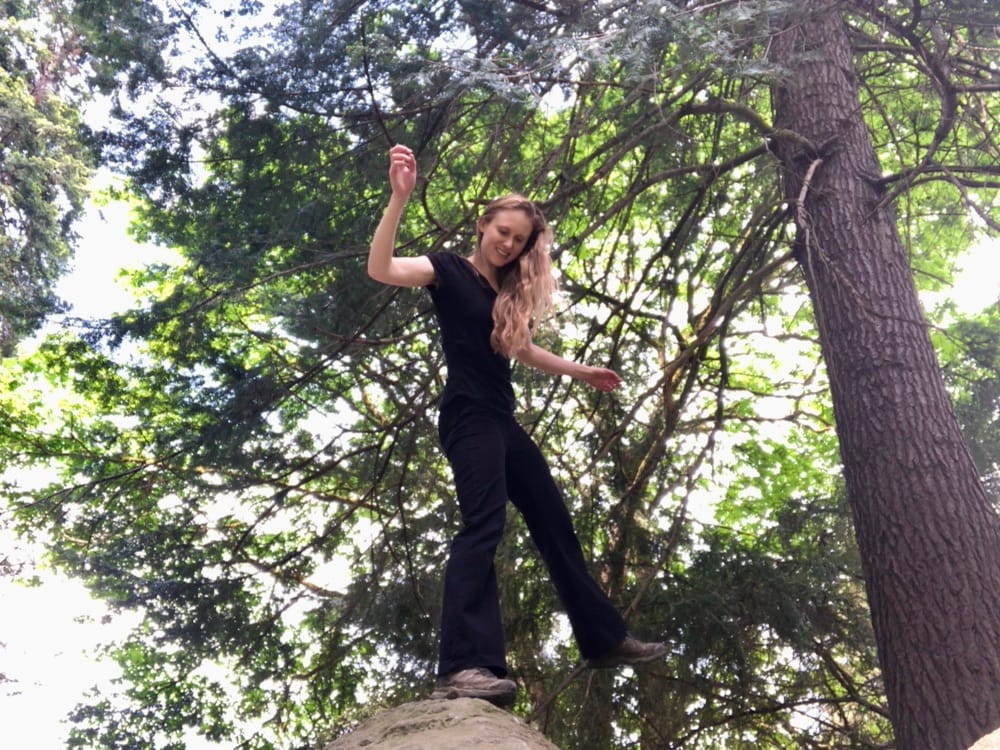
Inspiring more connection with nature is an overarching goal for Smith, an ecologist and solo hiker who on her website writes her biography as a mission: “Gabriella Smith is a composer whose work invites listeners to find joy in climate action.”
This past October, the Seattle Symphony performed her orchestral piece Lost Coast, informed by a week-long solo trek in Northern California. The piece — with urgent cello strokes, vocalization and improvised noisemaking — captures both the stunning beauty of the region as well as fears about increasing wildfires.
But Smith knows that despite the very real environmental crisis, going too dark can cause paralysis instead of action. Which is why she aims to broadcast nature’s beauty and strangeness as something worth protecting.
A big part of the joy in Smith’s works is felt through the odd and intriguing sounds the musicians conjure, often by playing their instruments in unusual ways. (Also on the yMusic bill: her chamber piece Tessellations, which includes a cascade of thumps and clicks.)
Encountering these surprising sounds echoes the experience of listening closely outdoors and thinking, “What was that noise?” In this way, Smith both transports us into the natural world and reminds us we were part of it all along.
There’s a whole lot of excellent music happening around town — both old-school and innovative — proving once again that the “Seattle sound” has no bounds.
For those looking to recapture the positive energy of the Seahawks parade with less blue-and-green bird imagery, you’re in luck: Jazz Night in Pioneer Square is back (Feb. 24, starting at 5:30). Featuring 15 local bands at 15 venues, this semiannual-ish event (organized by the Seattle Jazz Fellowship) has quickly become beloved and buzzy. Walk from one packed venue to another and sample live performances from Beserat Tefesse, Jovino Santos, Elnah Jordan, D’Vonne Lewis and more stars of Seattle jazz. It’s a whole vibe.
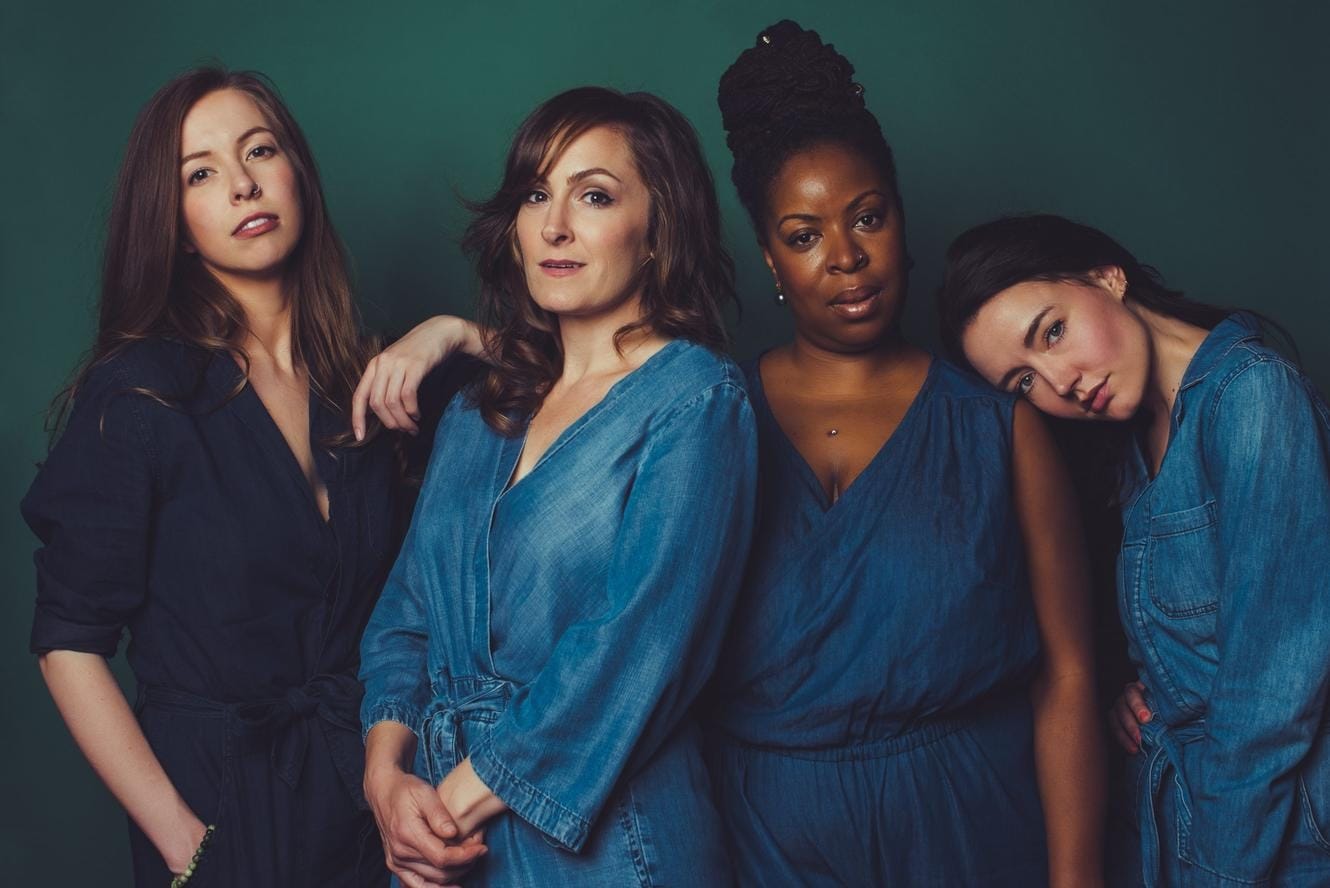
Speaking of vibes, if you haven’t yet checked out säje — the locally rooted vocal quartet that just won its third Grammy in a row — you have ample chances and no excuses with their upcoming Jazz Alley run (Feb. 26 - Mar. 1).
And a couple more jazz notes: Seattle composer and keyboardist Wayne Horvitz presents New Music for Chamber Jazz Ensemble at The Royal Room (Feb. 23, Mar. 2 & 9); and legendary Seattle guitarist Bill Frisell is celebrating his 75th birthday with a new album and trio tour (at The Moore Theatre, Mar. 13, tickets selling fast).
In other new album news, Seattle indie-orchestral band Clouds of the West is having a record-release party for Glass Radio at Ballard’s Sunset Tavern (Feb. 25). Featuring songwriter-guitarist Quentin Ertel (co-founder of the wonderful Shibuya HiFi listening room), multi-instrumentalist Curtis Andreen and cellist Rose Bellini, the group plays cinematic music that tilts into alt-country groove.
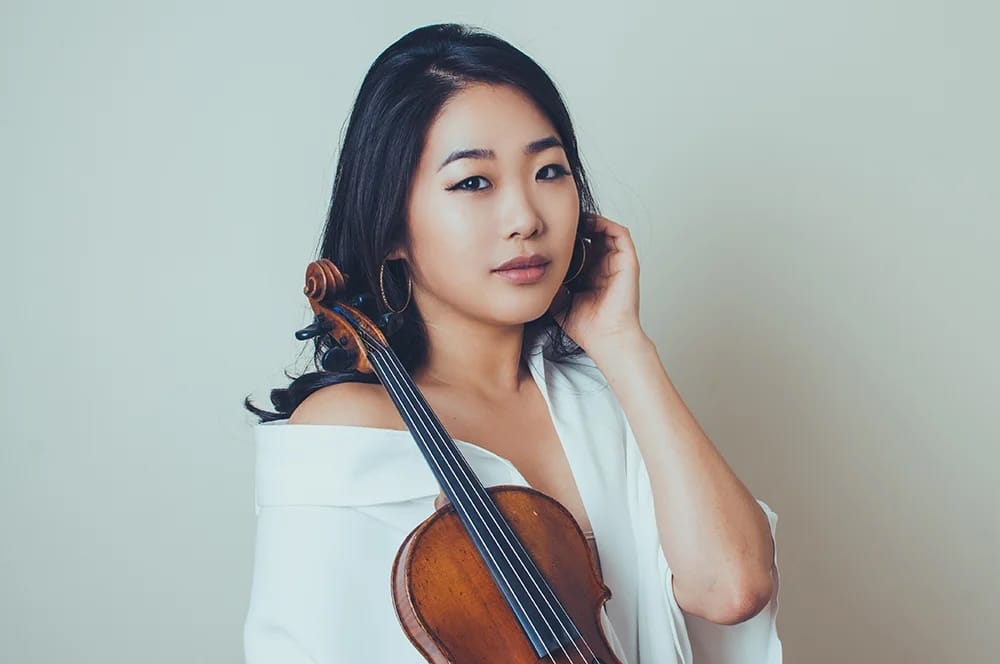
Coming back to composer Gabriella Smith: Fans both newly minted and die-hard can experience the world premiere of her piece FIVE, presented by local collective Emerald City Music. Featuring Seattle violinist Kristin Lee with Brooklyn-based Sandbox Percussion, FIVE is on a bill showcasing three generations of American women composers and including new works by Joan Tower and Vivian Fung. (Mar. 6 at 415 Westlake; Mar. 7 at the Kenneth J. Minnaert Center in Olympia)
Meanwhile, the accomplished choral pros at Seattle Pro Musica are presenting The Traveler’s Song, part of the New American Composers series (at Seattle First Baptist Church, Feb. 28 at 3 and 7 p.m.). For this edition, the featured artist is contemporary Filipino composer Nilo Alcala, who crafts pulsating and interlocking vocal layers rooted in the folksongs of his heritage. (Check out his breathtaking Arimaonga.)
Note: The Traveler’s Song is not to be confused with Fellow Travelers, the McCarthy-era historical-musical romance, which I mentioned last week is opening soon at Seattle Opera (Feb. 21 - Mar. 1).
Finally, Seattle Symphony’s new artistic director Xian Zhang leads the orchestra in a couple of classics this weekend: Schumann and Beethoven (Feb. 19-21). In addition to the former’s Cello Concerto and the latter’s Symphony No. 4, the lineup includes Primal Message (2020), by Nokuthula Ngwenyama. This Phoenix-based composer was inspired by the 1974 Arecibo message — Carl Sagan’s binary radio signal sent into deep space to represent humanity.
In the piece, Ngwenyama uses mathematical harmonic progressions to explore, as she puts it, “What could we convey about our emotional intelligence? And are we really ready to connect to another life form, when we’re having such a hard time connecting with each other?” Amen.
Check out Season 2 of our tv show Art by Northwest, featuring in-depth interviews with the printmakers, painters, sculptors, carvers and photographers who are creating captivating work across Washington state.
